
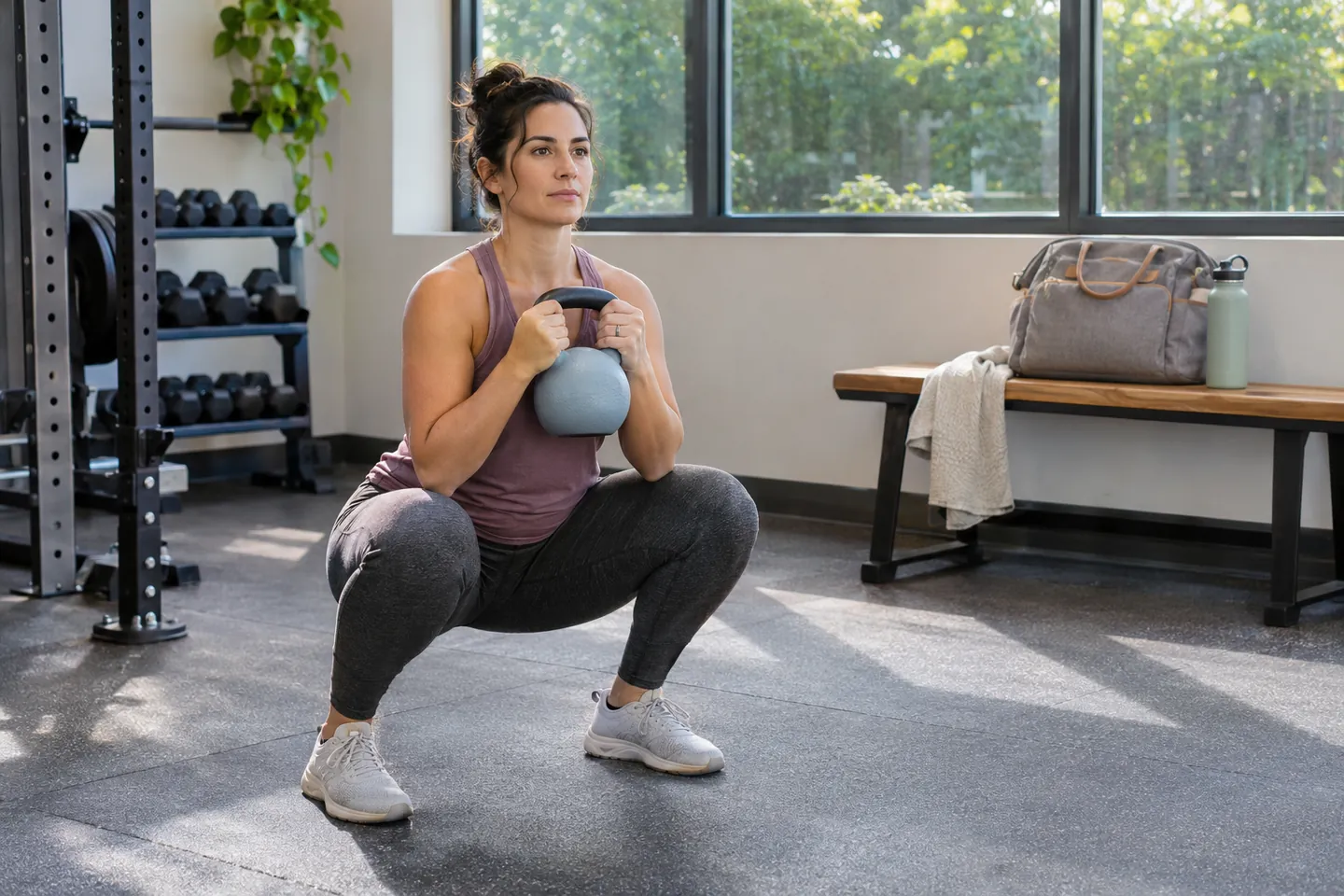
Practical fitness ideas for new parents in Mississauga: short sessions, flexible routines, rest, and when to check with a health professional before training.
Here is an honest starting point: if you have recently had a baby or adopted a child, your fitness routine probably does not look the way it used to. Sleep is broken into pieces. Time is unpredictable. A workout plan that once relied on a regular hour after work may now feel like something from a different life.
That is normal for new parents in Mississauga and everywhere else, and it does not mean fitness has to disappear. For many new parents, the shift is from long, structured sessions to shorter ones that fit into the gaps. Twenty focused minutes, done reasonably often, can do more for your energy and mood than an ambitious plan you cannot keep.
This piece is for parents in Mississauga who want to stay active during the early years without adding guilt or pressure. It is not medical advice, and it does not promise any particular result. It offers practical ways to think about movement when your time and energy are being pulled in many directions.
Check in with a health professional first
If you have recently given birth, the most important first step is talking to your doctor, midwife, or another qualified health professional before returning to exercise. Recovery timelines vary widely, and only someone who knows your situation can advise you on when and how to start.
Some people benefit from seeing a pelvic health physiotherapist, particularly if they notice symptoms such as leaking, pelvic heaviness, or abdominal separation. These are common concerns and are worth discussing openly. A professional can assess what is going on and suggest appropriate exercises or modifications.
Partners and adoptive parents are not exempt from the toll of new parenthood either. Sleep loss, stress, and changes in routine affect everyone. If you have existing injuries or health conditions, it is reasonable to check in with a professional before starting a new program. Our physiotherapy services are one option for an assessment if you want guidance specific to your body.
Redefine what a workout is
Many people carry a mental image of a workout as something that lasts an hour, involves a full warm-up, a long main section, and a careful cool-down. That format is great when time allows. In new parenthood, it can become a barrier. If you only count sessions that match that image, you may end up doing nothing at all.
Try widening your definition. A brisk twenty-minute walk with the stroller counts. A ten-minute set of bodyweight movements during nap time counts. A short class at the gym while a partner or grandparent watches the baby counts. Each of these supports your health in a meaningful way.
This is not about lowering standards. It is about choosing standards that fit your actual life. Consistency over months tends to matter more than any single session, and short sessions are far easier to make consistent.
Plan for interruptions
With a young child, interruptions are not an exception; they are the rule. A session at home may be cut short by a waking baby. A planned class may be missed because of a fever or a feeding schedule that shifted. Expecting this in advance makes it less discouraging when it happens.
Design your sessions so the most important work comes first. If you only get through the first ten minutes, you have still done something useful. Leave optional extras, such as additional sets or longer stretches, for the end. If the session gets interrupted, you lose the least valuable part.
It also helps to keep a backup option ready. If you planned a gym session and cannot get there, a short home routine or a walk around the neighbourhood can fill the space. Having a plan B already in mind removes the decision fatigue that often leads to skipping entirely.
Short sessions with a clear focus
When time is limited, focus makes a big difference. Rather than trying to train everything in each session, choose one or two priorities. A strength-focused day might include a few basic movements such as squats, hinges, and presses. A conditioning day might involve a short interval session or a brisk walk with some hills.
Simple, repeatable movements are especially useful. They require less setup, less thinking, and less equipment. Over time, you get better at them, which builds confidence and makes progress easier to notice.
If you are unsure how to structure short sessions, working with a coach can help. In personal training, a coach can design efficient sessions around your current energy, any recovery considerations, and the time you actually have. That kind of tailored guidance is particularly valuable when life has changed significantly.
Strength matters for daily parenting
Parenting is physical. You lift a car seat in and out of the car, carry a growing child up and down stairs, bend over a crib, and push a stroller through snow on a February morning in Meadowvale or Erin Mills. Basic strength makes these tasks more comfortable and can help you feel more capable throughout the day.
Movements that build general strength in the legs, hips, back, and upper body tend to carry over well. Exercises that train you to lift from the floor with good form, or to carry a load on one side, can be especially relevant. Your coach or physiotherapist can recommend specific movements and appropriate progressions.
Start conservatively. If you have been away from strength training for a while, or if your body has changed after pregnancy, give yourself time to rebuild. Lighter loads and good technique are a solid foundation for everything that follows.
Sleep and recovery come first
When sleep is limited, recovery from exercise is also limited. Pushing hard on days when you have slept poorly can leave you more tired, more irritable, and more likely to feel worn down. Being honest about your sleep is part of training wisely.
On especially rough days, consider choosing a lighter option: a walk, some gentle mobility, or a few minutes of calm breathing. Movement can still help on these days, but intensity may not. Treat these choices as part of your plan rather than as failures.
As your child’s sleep gradually settles, you may find room for more demanding sessions. Let your training expand with your recovery rather than forcing it to match a schedule from before parenthood.
Use your community and your routines
Many Mississauga families have extended family nearby, friends with children of a similar age, or neighbours who are happy to help occasionally. If you want to attend a class, ask whether someone can watch the baby for an hour. Trading childcare with another parent can be a practical arrangement that benefits both households.
Look for natural opportunities in your existing routine too. Walking to a nearby park instead of driving, taking the stroller along the Credit River trails on a mild weekend, or choosing the stairs when carrying groceries all add movement to your day without needing a separate block of time.
Partners can support each other by protecting each other’s training time. If one parent has a class on Tuesday evening and the other has one on Saturday morning, both can plan around those commitments. Talking openly about this prevents resentment and makes it more likely that both of you stay active.
Group classes as a social outlet
New parenthood can be isolating, particularly in the first months. A group class provides more than exercise. It is a chance to be around other adults, follow someone else’s plan for an hour, and feel like yourself again. For many people, that social element is as valuable as the physical work.
Our group classes offer structured sessions where the coach handles the planning, so you can show up and move. If you have specific concerns related to postpartum recovery or past injuries, let the coach know beforehand so they can suggest modifications.
If a full class feels like too much at first, that is fine. Start with shorter sessions at home and work toward a class when you feel ready. There is no deadline.
Be kind about progress
It is easy to compare your current fitness with how you felt before having a child. That comparison is often unfair. Your circumstances, sleep, time, and possibly your body have all changed. Progress may be slower or look different than it used to.
Try measuring progress in ways that reflect your current life. Did you move three times this week? Did you feel a bit more energetic after a walk? Can you carry your child up the stairs more comfortably than a month ago? These are meaningful markers, and they deserve recognition.
If you notice persistent low mood, anxiety, or exhaustion that goes beyond normal tiredness, talk to your doctor. Exercise can be a helpful part of overall wellbeing, but it is not a substitute for proper support when you need it.
A sample week, loosely held
To make this concrete, here is one possible pattern. It is an example, not a prescription. Two short strength sessions of twenty to thirty minutes during nap time or early morning. One or two longer walks with the stroller on the weekend. One group class when childcare is available. A few minutes of mobility or stretching on evenings when energy allows.
Some weeks you will do all of that. Some weeks you will do half. Both are acceptable. The structure is there to give you options, not to create another list of things you failed to complete.
Adjust the pattern as your child grows and your circumstances change. A plan that works at three months may not suit you at nine months, and that is perfectly normal.
Getting support at Konga Fitness
If you would like help building a routine that fits around a new baby, our coaches can work with you to set realistic goals and design short, effective sessions. Consider personal training for a tailored plan, or book a free trial to see whether a class fits into your week. You can also contact us with questions about scheduling or getting started. Small, steady steps are enough, especially in a season of life this full.
Filed under
Keep exploring
More training insights await.