
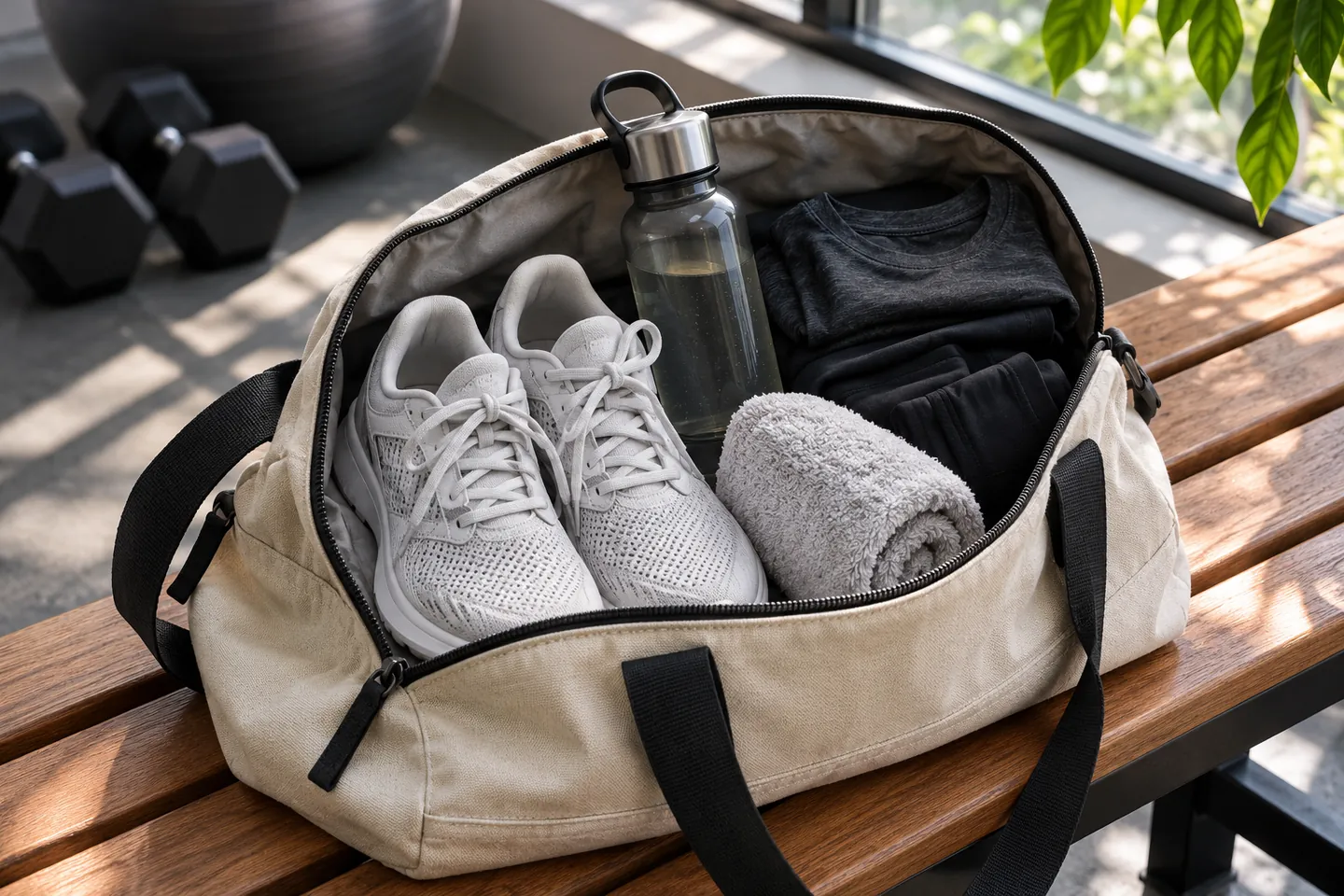
Pack a practical gym bag in Mississauga with a simple system for clothing, shoes, class essentials, commuting, and resetting everything after each visit.
A gym bag is useful when it removes decisions from your departure. It is less useful when it contains three forgotten shirts, no clean shoes, and several objects you have never needed. Packing a practical gym bag in Mississauga begins with understanding your actual visit: where you are coming from, which activity you are attending, and where you will go afterward.
You do not need an expensive bag or a long shopping list. Start with the items required for your appointment and the practical needs of your journey. Then build a small reset routine so the bag remains ready. The difference between a bag that looks packed and one that works is usually whether someone has checked its contents since the last session.
Pack for a specific visit
Think through the next appointment from departure to return. Are you leaving home already dressed for training, travelling directly from an office, or bringing a child to another activity first? Those situations create different packing needs.
Ask the facility about clothing, footwear, towels, and any activity-specific equipment. Use current instructions rather than assuming every gym or class follows the same arrangement. A first visit may require fewer items than you imagine, while a particular class may have a clear equipment requirement.
Write a short list based on those answers. Keep it limited to what supports the visit. You can add an item after you discover a real need, rather than carrying everything that appears in an online gym-bag photograph.
Choose a size that matches how you travel
A bag carried on transit or along a walking route needs to be comfortable to manage. A bag placed in a car may allow more space, but extra room can encourage unnecessary packing. Consider how far you carry it and whether it also contains work or personal items.
Before buying anything, try arranging the essentials in a bag you already own. Notice whether the shape makes the contents easy to find and whether clean clothing can remain separate from used items. Those practical details matter more than the bag being marketed specifically for fitness.
If the bag is awkwardly heavy, review the contents before deciding you need a stronger shoulder strap. Duplicate shoes, large containers, and occasional accessories may be occupying space without helping most visits. A lighter, simpler arrangement can make the journey less cumbersome.
Give shoes a predictable place
Follow the facility’s footwear expectations and pack the appropriate pair when a change is needed. In Mississauga, outdoor conditions can make it particularly useful to think separately about travel shoes and the shoes intended for the training space.
Keep footwear from pressing against clean clothing. A dedicated compartment or a simple separate bag may help, provided used items are removed and aired or cleaned as appropriate after the visit. The storage method should support a reset, not become a place where damp items disappear indefinitely.
Make the shoe check part of the departure routine. A bag can feel full even when the most important item is missing. Checking a few essentials by name is more reliable than judging readiness by the weight of the bag.
Plan clothing around the whole day
If you change at the gym, pack a complete familiar outfit rather than assuming a missing item can be improvised. Think about what you need after the session as well, especially if you are returning to work or continuing to another appointment.
Choose clothing you already know is comfortable for the activity. The first session is not the best moment to discover that an unfamiliar waistband requires constant adjustment. If you want to try a new item, give yourself time to assess it without making the whole appointment depend on it.
Keep a simple laundry routine connected to the bag. Used clothing should leave the bag after the session, and clean items should return at a predictable time. Without that loop, packing becomes a repeated search through several locations just before you need to leave.
Keep small essentials easy to find
Small objects create disproportionate frustration when they move around. Keys, access items, hair ties, and any other personal essentials should have a consistent place. A small pouch or dedicated pocket can make them easier to locate without emptying the entire bag.
Avoid placing everything in the same pouch merely because it fits. Separate items that belong clean and dry from those that may be damp or dirty after training. The organization should reflect how you use the bag, not only how neat it looks when first packed.
Check which items must leave the bag between visits. A personal device, essential medication, or something needed elsewhere in your day should not be forgotten because it was placed in a convenient gym pocket. Use the storage arrangement that matches your own responsibilities and any relevant instructions.
Confirm class-specific equipment before purchasing
Different activities may require different equipment, and the facility may have particular guidance about what to bring. Ask the relevant coach before buying a collection of accessories. You want equipment that fits the actual class requirements and your stage of participation.
If you attend more than one type of session, create a small add-on checklist for each. Your general bag may remain the same while one class requires extra items. This prevents you from carrying every piece of equipment to every appointment or arriving with the wrong set.
Check the condition of regularly used equipment according to the coach’s guidance. If an item needs attention or replacement, address that before the next class rather than discovering the problem at the beginning of the session. Practical preparation is easier when it happens outside the departure rush.
Separate the trip home from the trip there
The bag returning from the gym has different needs from the bag leaving home. Clothing may be used, a towel may be damp, and a bottle may need washing. Plan where those items go so they do not affect everything else you carry.
A separate compartment or removable bag can help organize the trip, but it does not replace unpacking. Make the return routine brief: remove used items, empty or clean reusable containers as appropriate, and identify anything missing for the next visit.
If you continue to another destination before going home, think through what must remain accessible. Work items should not be buried beneath used clothing, and essentials for the next stop should have a clear place. Packing for the complete journey makes the bag more useful throughout the day.
Use a reset instead of a complete repack
A reset means returning the bag to a known state after each use. Remove what needs attention, replace the essentials, and leave the bag in its usual location. The next departure then requires a quick check rather than a fresh packing project.
Choose a moment that fits your household. You might reset immediately after arriving home or after clothing has been washed. The important point is that the process has a place, so readiness does not depend on remembering several disconnected tasks later.
If a step keeps being missed, simplify it. Perhaps the bag is stored too far from the clothing, or the small-item pouch is being used for unrelated things. Adjust the physical arrangement before deciding you need a more complicated reminder system.
Adapt the bag when your routine changes
A new commute, different season, or changed training activity may alter what you need. Review the contents when those changes occur. Remove items that no longer serve the visit and add only what the new arrangement requires.
For example, a session before work may require a different clothing plan from one after work. A trip involving more walking may make bag size more important. A switch from individual coaching to a class may introduce equipment instructions that deserve confirmation.
Do not let the bag become an archive of every routine you have ever tried. Occasional reviews keep it connected to the appointments you actually attend. A useful question is whether you have used each item recently and, if not, whether there is a clear reason it still needs to travel with you.
Make the final check short and dependable
If several people in the household use similar bags or accessories, identify your essentials clearly. A recognizable pouch or a consistent storage shelf may be enough. Shared equipment should have an agreed return place so one person’s preparation does not unknowingly remove another person’s item. These small arrangements are especially useful when family members leave for different activities at similar times and the household is already moving quickly.
Before leaving, check the few items that would prevent you from participating if forgotten. The list depends on the activity, but it should be short enough to use consistently. Then confirm the appointment and take the bag from its usual place.
If you are preparing for a first visit, use Konga’s personal training information or group classes page to understand the broad options, and contact the team for current preparation requirements. Direct instructions are more useful than guessing from a generic packing list.
A practical gym bag supports the routine quietly. You know what is inside, where each item belongs, and what happens to it after training. That clarity can remove one of the small but recurring obstacles between a planned appointment and actually walking through the door ready to begin.
Filed under
Keep exploring
More training insights await.