
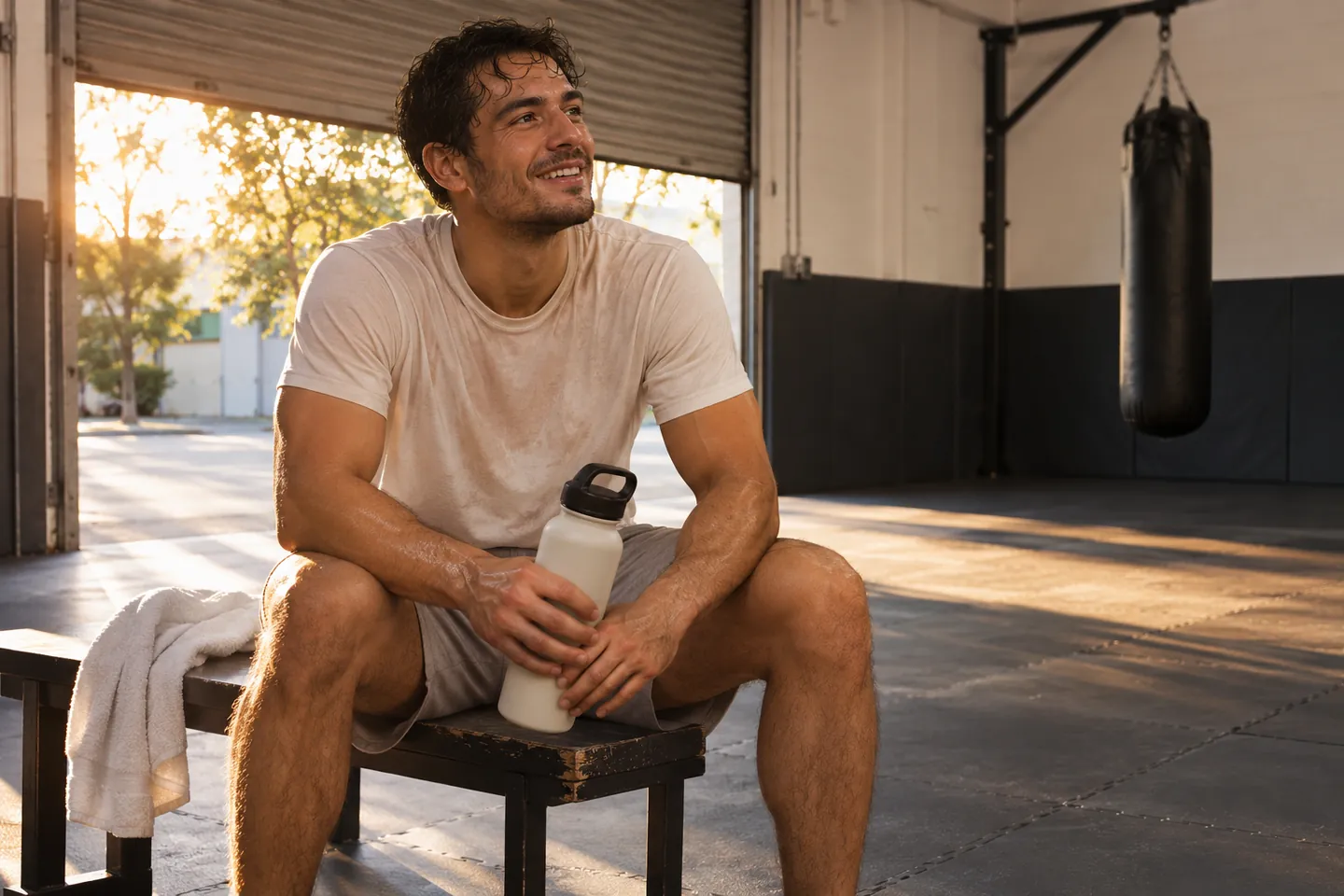
A practical guide to adjusting gym and martial arts training for the warmer months in Mississauga, from pacing and clothing to recovery and gear hygiene.
Sometime in May, there is usually an evening when you leave work, step outside, and realise you do not need a jacket. The car is warm when you get in. The parking lot holds the heat of the afternoon. And when you walk into the gym for your usual class, the room feels different from the way it felt in February, even though nothing about the schedule or the drills has changed.
That shift catches a lot of people off guard. A workout that felt manageable all winter can suddenly leave you more drained, sweatier, and slower to recover. None of this means you have lost fitness. It means your body is adjusting to a new set of conditions, and that adjustment takes a little time and a little planning.
This article looks at how to prepare for warmer-weather training in Mississauga in a calm, practical way. It is not about pushing through discomfort or proving toughness. It is about making a handful of sensible changes so that your boxing rounds, jiu-jitsu sessions, strength work, or yoga classes stay productive as spring turns into summer.
Why the first warm weeks feel harder
The early part of the warm season tends to feel tougher than mid-summer. Over the winter, most people train in cool rooms, commute in cold air, and spend long stretches indoors. When temperatures rise, the body has to work a bit harder to manage heat during exercise, and it has not yet had much practice doing so.
Many people notice that their heart rate seems to climb faster, that they sweat sooner, or that the last few rounds of a class feel heavier than usual. Those impressions are common and generally ease as you get used to the season. The key point is that the first few weeks are a transition period, and it helps to treat them that way rather than expecting identical output from day one.
This is also why comparing yourself to your March self can be misleading. If a conditioning circuit felt easier two months ago, that does not necessarily mean something is wrong now. Conditions have changed. Give yourself a fair comparison by noting how you feel over several warm sessions rather than judging one difficult evening.
Ease in rather than proving a point
The most useful habit during this transition is patience. If you usually go all out for every round, consider holding back a little for the first couple of weeks of warmer weather. That might mean taking a slightly longer break between rounds, choosing a lighter weight for your last set, or easing off the pace during partner drills.
Easing in does not mean doing nothing. You can still attend your normal classes and work hard. The difference is that you are paying attention to how your body responds instead of forcing the same numbers. A coach can help here. Let them know if you are feeling the heat more than usual, and ask whether there is a way to scale the drill without losing its purpose.
Ego is often the biggest obstacle. It is easy to feel that taking a break looks weak, especially in a room full of people who seem unaffected. In reality, many of them are managing the same adjustment, and the experienced ones are often the first to step aside for a sip of water or a breath of fresh air.
Think about your day, not just the session
How you arrive at the gym affects how the session goes. Someone who has spent a hot afternoon in a car on Highway 403 with the air conditioning broken, skipped lunch, and had two coffees will probably feel different from someone who ate a reasonable meal and drank water through the day. You do not need a perfect routine, but small decisions earlier in the day add up.
If you work outdoors, in a warehouse, or in a kitchen, you may already be dealing with heat for hours before training. Shift workers in Mississauga often fit classes around long days on their feet. In those situations, it can be worth treating gym time as a slightly lighter session on especially warm days, or choosing a class that suits how you feel, such as yoga or a technical drilling session instead of a hard conditioning class.
Sleep matters too. Warm nights can make it harder to sleep well, and poor sleep makes training feel harder. If you notice that a stretch of hot nights is affecting your rest, factor that into how hard you push. It is reasonable to adjust intensity based on how recovered you actually are.
Hydration without overthinking it
Fluid intake becomes more noticeable in warm weather simply because you sweat more. A sensible starting point is to drink regularly through the day rather than trying to make up for it in the hour before class. Bring a water bottle to the gym and take sips during natural breaks instead of waiting until you feel very thirsty.
People differ widely in how much they sweat, so there is no single amount that suits everyone. Some notice that they leave a puddle on the mat; others barely look damp. Paying attention to your own patterns over several sessions will tell you more than any generic rule. If you have a medical condition, take medication that affects fluid balance, or have been advised by a doctor about fluid intake, follow that guidance rather than general fitness advice.
Long or very sweaty sessions sometimes lead people to ask about electrolytes or sports drinks. That is a reasonable question to raise with a doctor, a registered dietitian, or another qualified professional who knows your situation. For most ordinary classes, water and normal meals are the foundation, and the bigger win is simply remembering to drink at all.
Clothing, towels, and what goes in your bag
What you wear can make a noticeable difference. Lighter, breathable fabrics tend to feel better than heavy cotton layers once the room warms up. If you trained in a hoodie all winter, this is the season to retire it for class time. For grappling, follow the gym’s guidance on rash guards, shorts, and gis; a clean, dry layer is more comfortable than one that is still damp from last session.
A small towel is one of the most useful things you can pack. It keeps sweat out of your eyes, lets you wipe your hands before holding pads, and makes partner work more pleasant for everyone. Some people also bring a spare shirt to change into halfway through a long session, especially on humid evenings.
Consider repacking your bag for the season. Take out the winter items you no longer need and make room for a second water bottle, a towel, spare socks, and a sealed bag for wet clothes. Having those things ready removes the temptation to skip them on a rushed evening.
Keeping gear clean as the sweat increases
Warm weather means more sweat soaks into gloves, wraps, shin guards, and gis. If gear is left in a closed bag in a hot car, it can develop odours quickly and become unpleasant to use. Good gear hygiene is not only about comfort. It is also part of being a considerate training partner.
A simple routine helps. Take gear out of your bag as soon as you get home and let it air dry somewhere with good airflow. Wash hand wraps and training clothes after each use. Wipe the inside and outside of gloves according to the manufacturer’s care guidance, and avoid storing them damp. Grappling uniforms should be washed after every session, not every few sessions.
If you train several times a week, a second set of wraps or a second rash guard can make this easier, because you always have a dry option ready. Small habits like these keep your equipment lasting longer and help keep the mats and shared spaces cleaner for the whole community.
Warm-ups still matter in warm rooms
It can be tempting to think that a warm room means you can skip the warm-up. You may feel loose sooner, but a warm-up does more than raise temperature. It prepares your joints for the specific movements of the session, rehearses technique at an easy pace, and helps your mind shift from the commute to the class.
What changes in warm weather is the intensity. A warm-up that leaves you soaked and breathing hard before the main session starts may be more than you need on a hot evening. Follow the coach’s plan, but feel free to keep your effort moderate during the opening minutes so you have energy for the work that follows.
The same applies to the cool-down. After a demanding class, taking a few easy minutes to walk, stretch gently, and let your breathing settle is useful in any season. On hot days, it also gives you a moment to drink some water and check in with how you feel before getting back into a warm car.
Recognising when to stop
Warm weather calls for a little extra attention to warning signs. If you feel dizzy, light-headed, confused, unusually weak, nauseated, or develop a headache during training, stop, move somewhere cooler, and tell a coach right away. Those signals are not something to push through, and it is always better to sit out a round than to keep going when something feels wrong.
Coaches would much rather you speak up early. You are not interrupting the class by saying you need a break. You are giving staff the information they need to help. If symptoms are severe or do not settle quickly with rest, seek medical attention. If you have a heart condition, are pregnant, are managing a chronic illness, or take medication that affects heat tolerance, talk to your doctor about exercising in warm weather before increasing your training.
It is also worth looking out for training partners. If someone looks pale, unsteady, or out of sorts, a quick check-in can make a difference. A gym where people feel comfortable stepping aside is a safer gym for everyone.
Making use of longer evenings
Warmer months bring more daylight, and that can be a real advantage. Some people find it easier to stay consistent when they are not driving home in the dark. Others enjoy pairing gym sessions with light outdoor activity, such as an easy walk along a trail by the Credit River or a short bike ride around their neighbourhood on rest days.
The longer days can also tempt people to do too much. If you add outdoor running, weekend sports, and extra classes all at once, the combined load can catch up with you. Plan the season the same way you would plan any training block: decide which sessions matter most, keep rest days in place, and add new activities one at a time.
Summer schedules change for many families too. School finishes, vacations come up, and routines shift. If you know a busy stretch is coming, decide in advance which classes you will protect and which you are happy to miss. A plan that bends a little is more likely to survive the season than one that assumes nothing will change.
Adjusting different types of training
Not every discipline responds to heat the same way. Striking classes with lots of rounds on the bag or pads tend to involve continuous effort, so pacing and rest periods become important. Grappling classes involve close contact and holding positions, which can feel especially warm, so short breaks between rounds and dry clothing matter more.
Strength sessions are often more manageable in warm weather because they include natural rest between sets. You might still choose to shorten a conditioning finisher or extend rest slightly on a very humid day. Yoga can be a welcome counterbalance during hot weeks, offering mobility and breathing work at a calmer pace.
If you are unsure how to adjust, ask. A coach can suggest which classes suit a recovery day, how to scale a conditioning block, or how to keep working on technique when the room is warm. The goal is not to avoid hard training but to place it sensibly.
A simple checklist for the season
You do not need a complicated system. A short mental checklist before each warm-weather session can cover the essentials. Have I eaten something reasonable today? Have I been drinking water? Is my gear clean and dry? Do I have a towel and a water bottle in my bag? Am I recovered enough to train hard, or is today a moderate day?
After class, a second short checklist helps. Did I drink some water? Did I take my gear out of the bag? Did anything feel unusual that I should mention to a coach or a health professional? These questions take only a few seconds, but they turn good intentions into actual habits.
Training through the warm months at Konga Fitness
The warmer months can be a great time to build momentum. Longer days, more energy, and a fresh season often make it easier to commit to a routine, as long as you give your body a little time to adjust and pay attention to the basics of rest, fluids, clothing, and pacing.
If you are thinking about starting or returning to training in Mississauga this spring, you can browse our adult schedule to see which classes fit around your days, or book a free trial to try a session and talk with a coach about easing in. If you would like a gentler option for hot weeks, our yoga classes are a good place to start.
Filed under
Keep exploring
More training insights await.